Natural Ways to Calm an Anxious Dog: Fireworks, Travel and Vet Visits
Fireworks night, a long car journey, a trip to the vet: some dogs take it all in their stride, while others shake, pant, hide or bark. If your dog gets anxious, there’s a lot you can do naturally to help them feel safer. Most of it starts at home, well before the stressful event.
Signs your dog is anxious
- Panting, pacing or trembling
- Hiding, clinging to you or trying to escape
- Yawning, lip-licking or a tucked tail and flattened ears
- Barking, whining or destructive behaviour
- Refusing food or treats
1. Fireworks and loud noises
Prepare ahead. Check local firework dates for Bonfire Night, Diwali and New Year, and plan ahead.
- Walk earlier. Take your dog out in daylight, before fireworks start.
- Create a safe den. Set up a quiet, covered spot with their bed, a blanket that smells of home and a favourite toy. Let them choose to go there.
- Close curtains and add background noise. The TV, radio or calming music helps mask bangs and flashes.
- Stay calm and close. It’s fine to comfort your dog. Your calm, relaxed presence is reassuring.
- Never punish fearful behaviour. It increases fear.
- Try sound training. Over several weeks, play firework sounds very quietly while your dog does something they enjoy, gradually increasing the volume. Free sound programmes are available from UK dog charities.
2. Car journeys
- Start with short, happy trips that end somewhere fun, not only at the vet.
- Keep your dog secure in a crate or with a dog seatbelt, with a familiar blanket.
- Avoid a big meal just before travelling, and keep the car cool and well ventilated.
- Take regular breaks on longer journeys for water and a stretch.
3. Vet visits
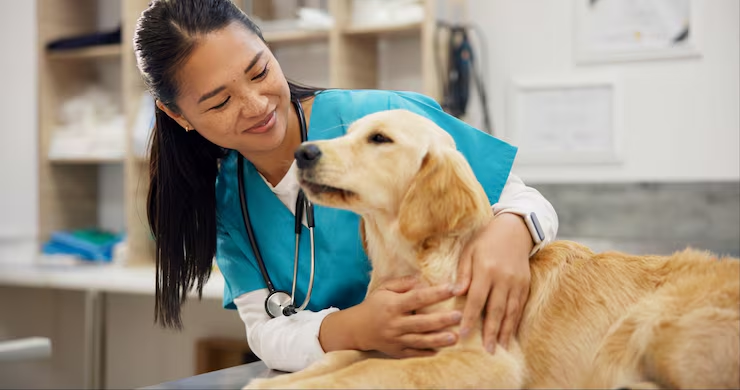
- Pop into the surgery for “happy visits” just to say hello and get a treat.
- Practise gentle handling at home: touching paws, ears and mouth, followed by a reward.
- Ask for a quiet waiting area or to wait in the car until you’re called.
- Bring their favourite treats and a familiar blanket.
Everyday habits for a calmer dog
- Routine. Regular mealtimes, walks and bedtime help dogs feel secure.
- Exercise and sniffing. A good walk with time to sniff is naturally calming.
- Brain games. Snuffle mats, lick mats and puzzle feeders give your dog a relaxing focus.
- Good nutrition. A balanced, complete diet supports overall wellbeing. Hunger and tummy upsets don’t help a worried dog.
Natural calming supplements
Some owners use calming supplements as part of their plan, particularly around predictable stressful events. Common natural ingredients include L-theanine, an amino acid found in green tea, L-tryptophan, and botanicals such as chamomile and valerian. Results vary between dogs, and supplements work best alongside the steps above, not instead of them. Start a few days before a known event, follow the pack directions and check with your vet if your dog takes medication.
FurRwe Calm & Relax
FurRwe Calm & Relax is a natural supplement to help your dog feel settled during life’s noisier moments.
When to talk to your vet
If your dog’s anxiety is severe, getting worse or affecting daily life—for example, injuring themselves while trying to escape—speak to your vet. They can check for underlying health problems and, if needed, refer you to a qualified behaviourist.
FAQs
Should I comfort my dog during fireworks?
Yes. Calm, gentle comfort won’t “reward” fear. Let your dog come to you and stay relaxed yourself.
How early should I start preparing for fireworks?
Ideally 4–6 weeks before for sound training. Start den and routine changes at least a week before.
Do calming supplements make dogs drowsy?
Natural calming supplements are designed to help dogs feel relaxed rather than sedated, but every dog responds differently. Follow the pack guidance.
This article is for general information and is not a substitute for veterinary advice.